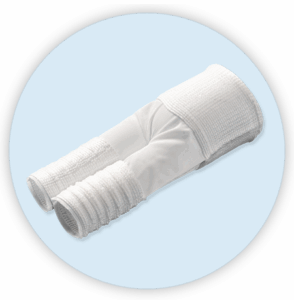
Vascular devices are advancing at a remarkable pace. Developers are designing for smaller delivery systems, navigating more complex anatomies and addressing the need for minimally invasive interventions.

As these vascular devices evolve to penetrate deeper anatomies, it opens up new challenges; for instance: How do you access through catheter systems while still maintaining tightness of the structure? Will the final designed solution be easily scalable? These shifts put intense pressure on materials and manufacturing, requiring thinner profiles, enhanced bioresorbable materials and more efficient assembly. But there are always tradeoffs between material design, clinical function and scalable production.

Balancing these tradeoffs has become central to vascular innovation.

The Performance-manufacturing Balancing Act

Every vascular device must achieve an equilibrium between flexibility, strength, barrier performance and efficiency. The most common tradeoff is between profile and blood impermeability — devices must collapse into smaller catheters yet maintain strong sealing and structural integrity once deployed.

Manufacturing can introduce additional challenges. Many vascular devices still rely on labor-intensive sewing processes to attach textiles to frames, which can require many hours to complete. Device developers are increasingly focused on reducing this manual burden through new materials and assembly techniques that improve consistency, streamline fabrication and maintain performance at scale.

Even when a device performs well clinically, production inefficiencies can limit commercial success. Manufacturers are looking for new materials and assembly techniques that can streamline fabrication, reduce variability and maintain performance at scale.
Why Materials Expertise Matters

When medical device innovators approach development and manufacturing partners for help, their needs typically fall into two categories:

  • Unmet clinical needs: Current devices don’t fully address a problem, or developers want to improve treatment for a specific anatomy or population.
  • Issues with existing generations: Devices already on the market work clinically but are costly or difficult to produce at scale.

In the first case, companies are searching for materials that unlock new capabilities, from thinner delivery systems to more conformable sealing to advanced coatings that improve hemostasis. In the second, they’re working to solve known challenges, like leakage, delamination or excessive manual assembly.

Choosing the right material system — and the right partner to develop it — can determine a device’s success. Polymer coatings, textile substrates and hybrid constructs each offer unique advantages. Integrating these materials effectively requires both scientific insight and manufacturing fluency.

The Challenges Medical Device Developers Face

Technical and operational challenges in vascular device development tend to cluster in three key areas:

  1. Miniaturization: Devices are increasingly delivering through smaller catheters without compromising function.
  2. Barrier Performance: Thinner constructs must still resist blood permeation and mechanical fatigue.
  3. Assembly Efficiency: Reducing manual steps, such as suturing or bonding, can dramatically improve consistency and scalability.


Not every device requires optimization across all three areas, but success depends on understanding how materials interact — and on finding ways to combine them efficiently.

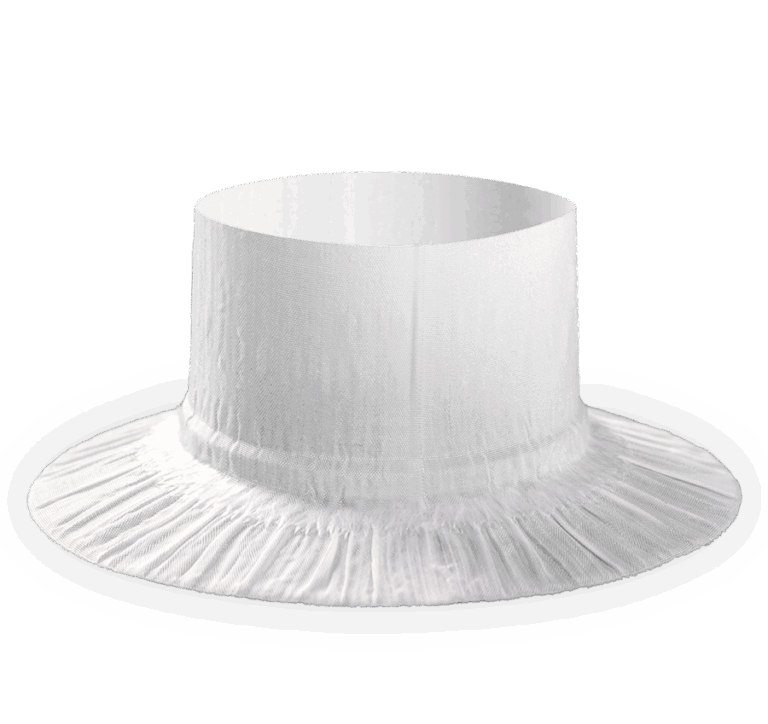
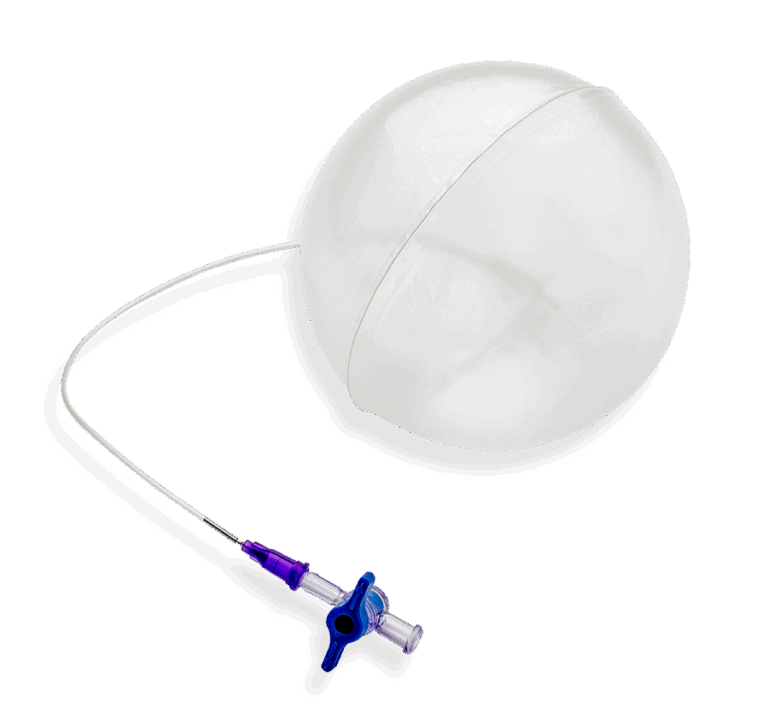
Film Welded Balloon

Textiles and Polymers Together: The Value of a Dual-platform Approach

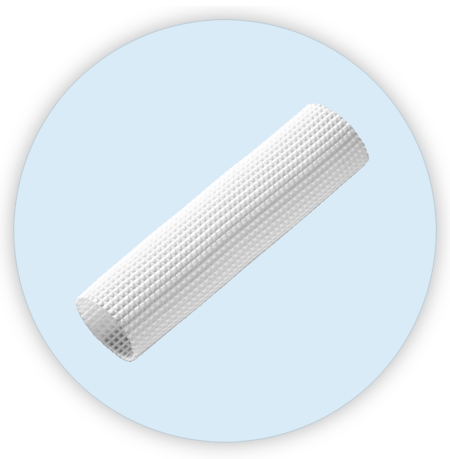
One of the most effective strategies for overcoming vascular device challenges lies in combining textile and polymer expertise. Biomedical textiles can be engineered to provide mechanical strength, flexibility and porosity, while polymer films and coatings add the necessary sealing and surface properties.

Today, much of the innovation within vascular devices comes from this hybrid approach. Each project presents unique design and manufacturing requirements, and leveraging a broad materials portfolio enables faster development and more targeted performance outcomes.

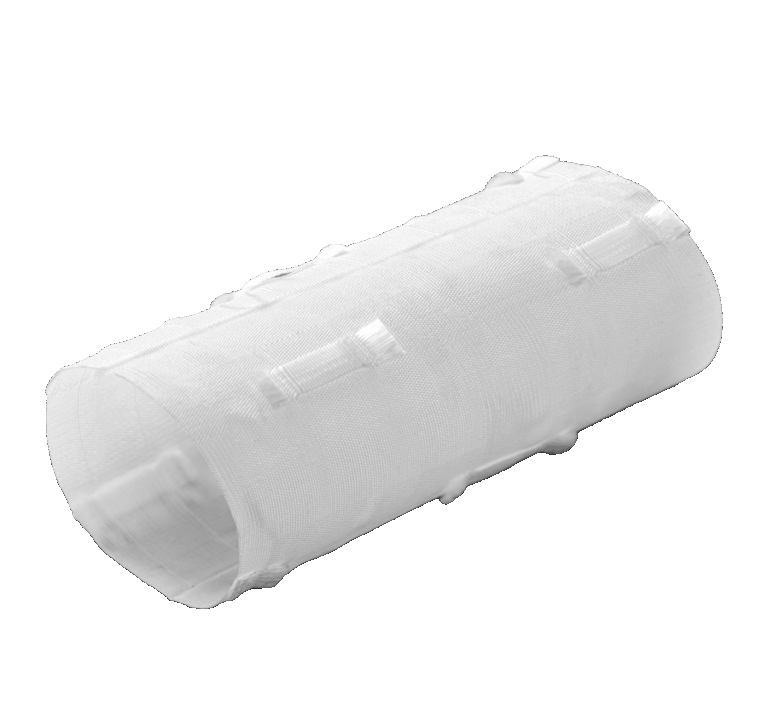
By pairing advanced textile architectures (woven, knit or braided) with polymer coatings or laminates, developers can fine-tune properties such as compliance, expansion and sealing. Hybrid assembly methods, including adhesives and polymer bonds, are beginning to reduce reliance on hand stitching, without sacrificing strength or performance.

These innovations are especially valuable in applications like stent grafts, heart valves, endovascular repair and peripheral interventions, where every micron of wall thickness and every step in assembly can impact outcomes.

The Future of Vascular Innovations

While coatings and laminates will remain the near-term workhorses of vascular devices, emerging technologies are paving the way for even greater miniaturization and conformability. Advancements, such as polymer-based composites, biocompatible adhesives, and polymeric attachment systems, promise to simplify manufacturing while improving consistency and repeatability.

The next generation of vascular devices will likely rely on a continuum of materials and processing methods, rather than a single innovation. That’s where integrated expertise becomes essential.

Where Solesis Fits In

Solesis is an integrated provider of custom materials solutions that brings together specialized companies to support the medical device and biopharmaceutical markets. Within this ecosystem, Secant Group and Polyzen form the foundation of Solesis’ medtech capabilities that focus on the development of integrating materials into component solutions for medical devices and delivery systems.

  • Secant Group develops advanced biomedical textiles, such as woven, knit and braided structures, which form the backbone of many vascular devices and delivery systems.
  • Polyzen provides polymer expertise, offering films, coatings, laminates and custom processing techniques that enhance performance and manufacturability for vascular devices and delivery systems.


Together, these companies give vascular device innovators a unified partner who can collaborate to optimize performance, solve production challenges and scale efficiently. By leveraging both textile and polymer platforms, Solesis delivers the flexibility and depth of experience needed to meet evolving cardiovascular demands.

Solesis’ expanding technology platforms position it to continue driving leadership in material innovation—providing the scientific expertise, equipment and process control to scale solutions from benchtop prototypes to full commercial production.

Shaping the Next Steps in Vascular Innovation

Developing next-generation vascular devices is a continuous balancing act: thinner delivery systems versus reliable sealing, high performance versus scalable production.

Through the combined capabilities of Secant Group and Polyzen, Solesis helps innovators navigate these tradeoffs, anticipating and understanding the needs for continued innovation within the vascular field. Decades of experience, proven materials expertise and a collaborative model designed for flexibility allow Solesis to act as both a development and manufacturing partner.

By uniting textile and polymer platforms under one organization, Solesis empowers engineers to think beyond single-material constraints, and accelerate development to support medical device manufacturers in their mission to bring safer, more effective vascular devices to patients worldwide.

Privacy Overview

This website uses cookies so that we can provide you with the best user experience possible. Cookie information is stored in your browser and performs functions such as recognising you when you return to our website and helping our team to understand which sections of the website you find most interesting and useful. For more information, please visit our Privacy Policy.

Strictly Necessary Cookies (SNC)

Strictly necessary cookies are essential for the website to function properly. This category only includes cookies that ensures basic functionalities and security features of the website. These cookies do not store any personal information and are always enabled.

Strictly Necessary Cookies

Strictly necessary cookies are essential for the website to function properly. This category only includes cookies that ensures basic functionalities and security features of the website. These cookies do not store any personal information.